Consent before recording
Explain the purpose, possible uses and right of withdrawal in advance. Consent should be clear, informed and voluntary.
Heritage · Living memory
An oral account preserves voice, tone and personal perspective, but it requires consent and careful context.
At a glance
The page explains how to prepare neutral questions, record with informed consent and present memory as testimony rather than uncontested fact.
This is an editorial guide for the initiative’s development version. It explains an approach and does not replace professional medical, legal or financial advice.
Practical route
Begin with context, record decisions and preserve each person’s right to revisit the terms.
Explain the purpose, possible uses and right of withdrawal in advance. Consent should be clear, informed and voluntary.
Use open questions and allow the speaker to pause, skip a subject or end the conversation. Do not steer toward a preferred answer.
State where, when and under what conditions the recording was made. Note differences between memory, research and other accounts.
Working checklist
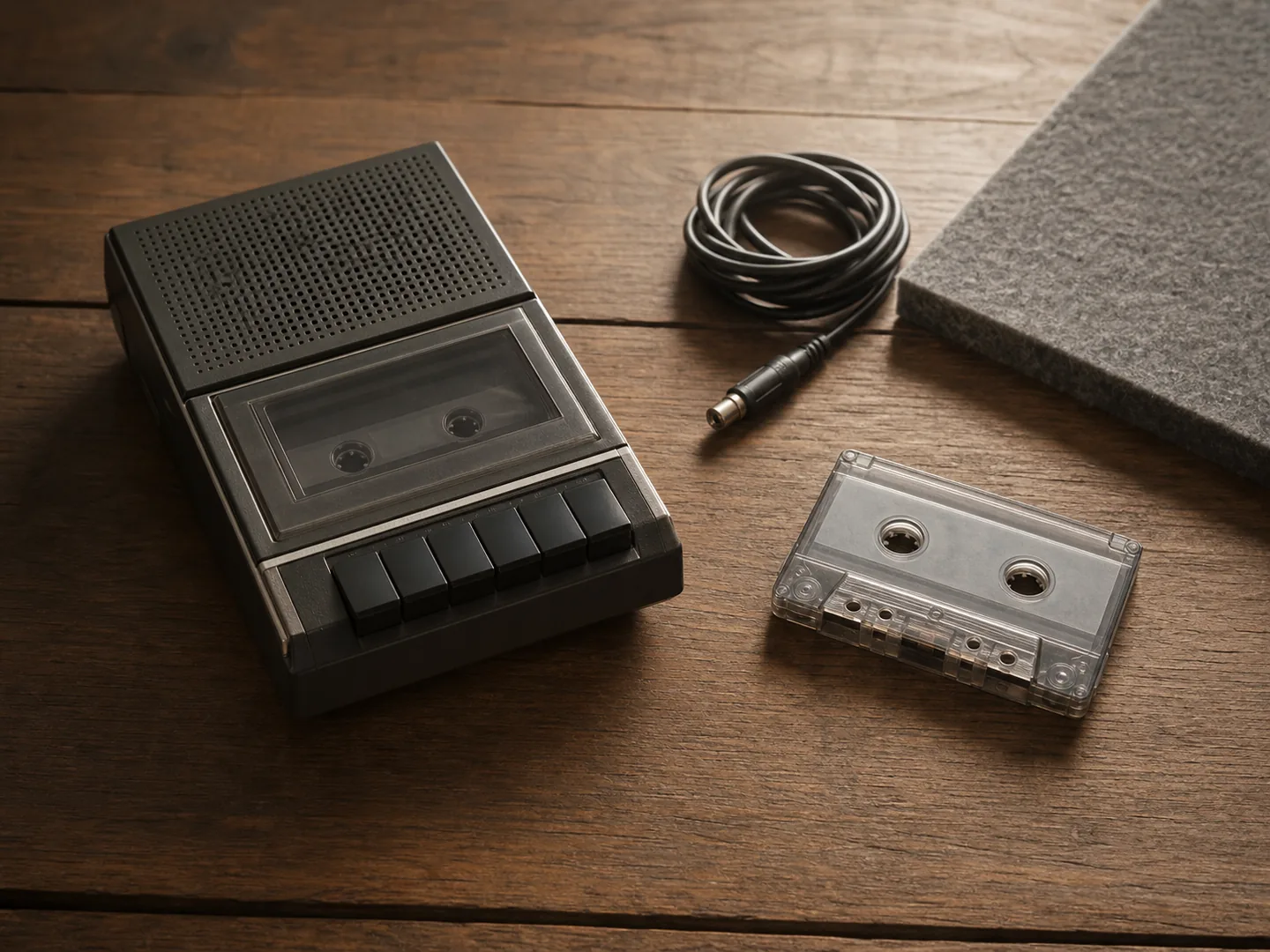
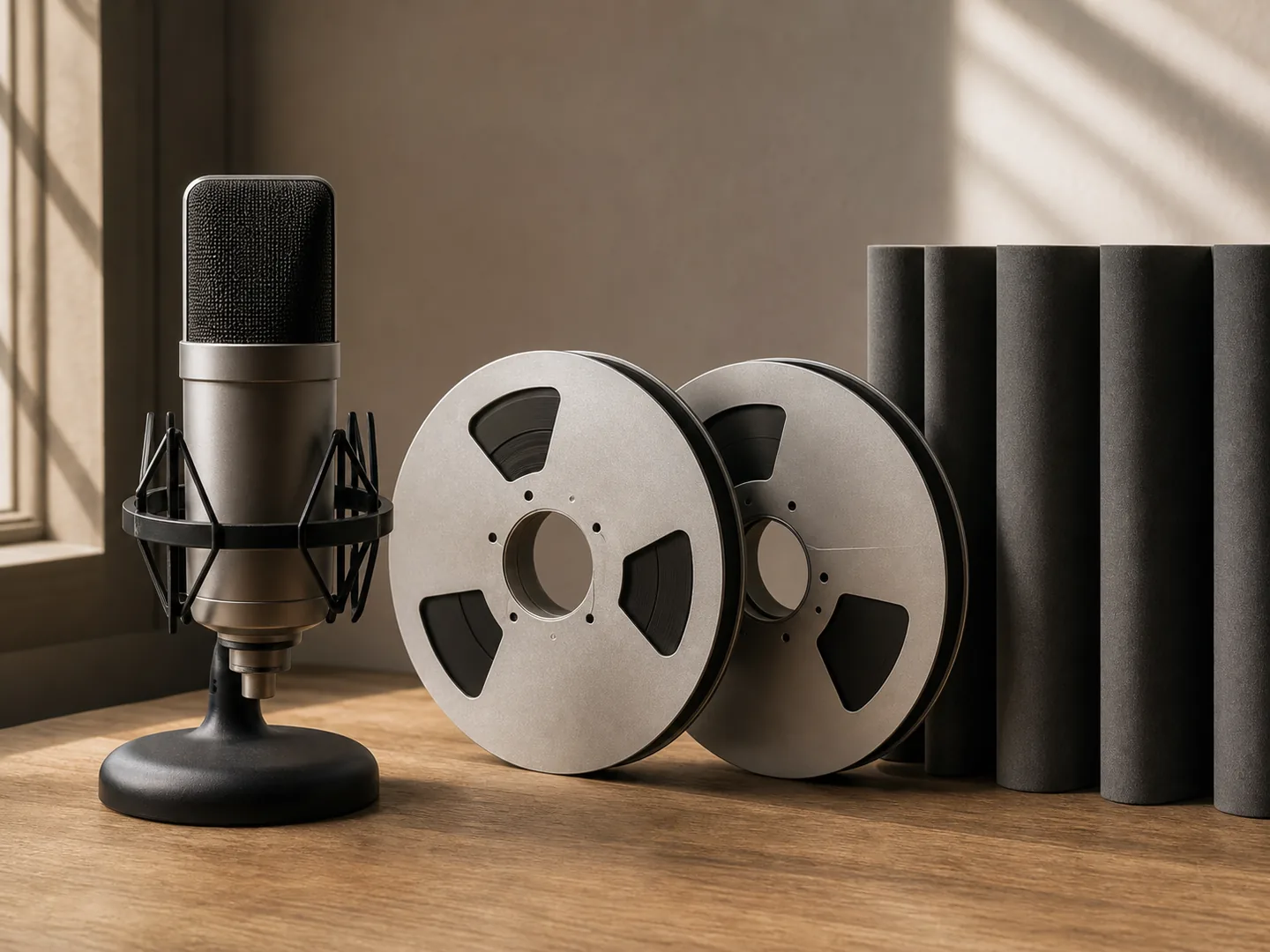
Both photographs on this page are unique object-based AI illustrations. They do not depict real people, traditions or places.
FAQ
Tell us how you could contribute. Material is published only after rights, sources and consent have been reviewed.