Survey the Collection
Identify document groups, formats, condition, and known provenance. Do not discard enclosures or annotations before their context has been assessed.
Methodology · Working with Collections
A clear approach to reviewing, describing, and responsibly using family documents and objects.
At a glance
An archive gains meaning through provenance, relationships, and access conditions. Begin with a collection survey without unnecessarily disturbing its original order.
This is an editorial guide for the initiative’s development version. It explains an approach and does not replace professional medical, legal or financial advice.
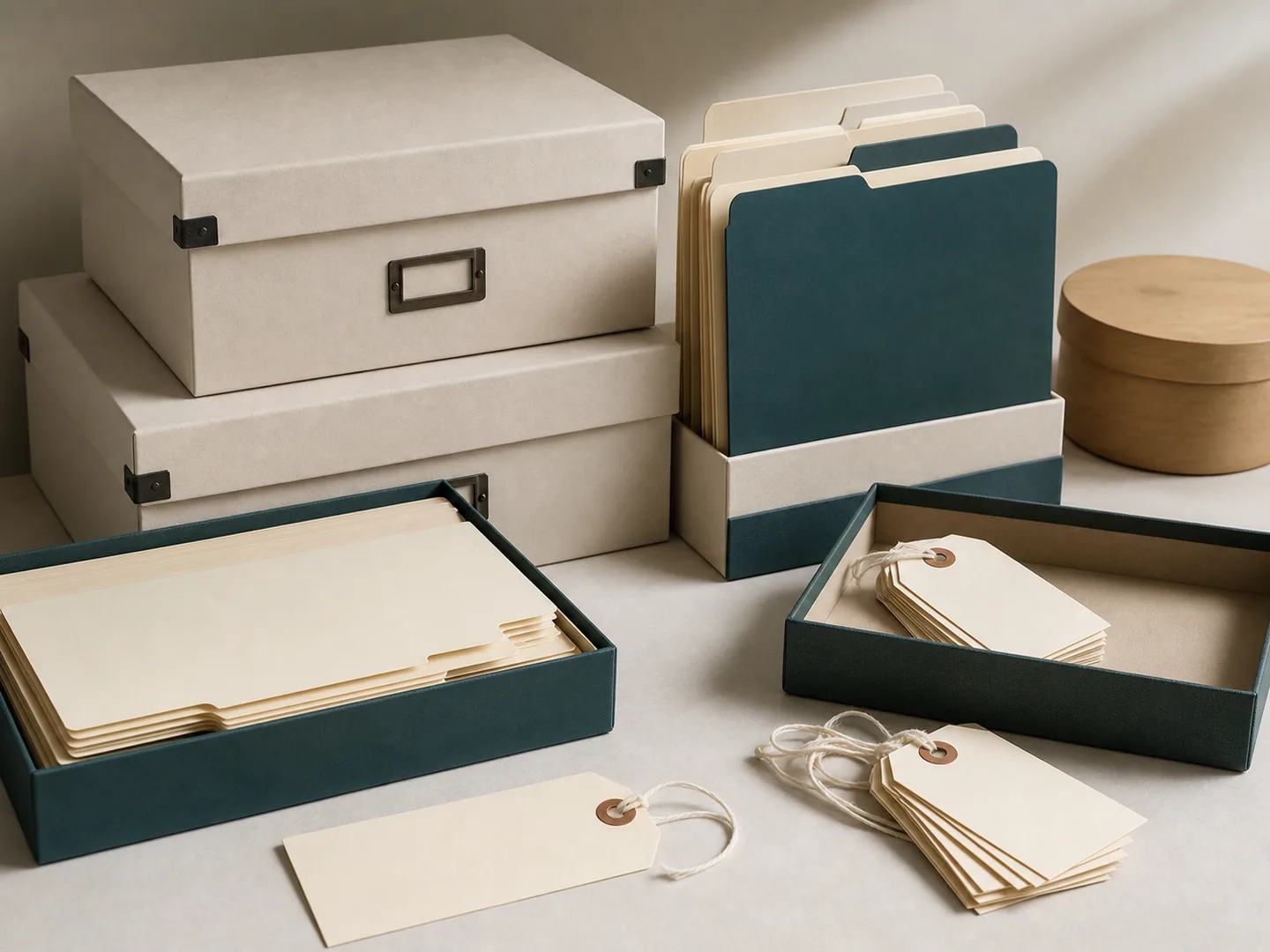
Practical route
Begin with context, record decisions and preserve each person’s right to revisit the terms.
Identify document groups, formats, condition, and known provenance. Do not discard enclosures or annotations before their context has been assessed.
Describe which materials belong together and why. Keep original names alongside clear explanations.
Before publication, identify rights holders, permissions, and restrictions for personal information. Record the access level for each group of materials.
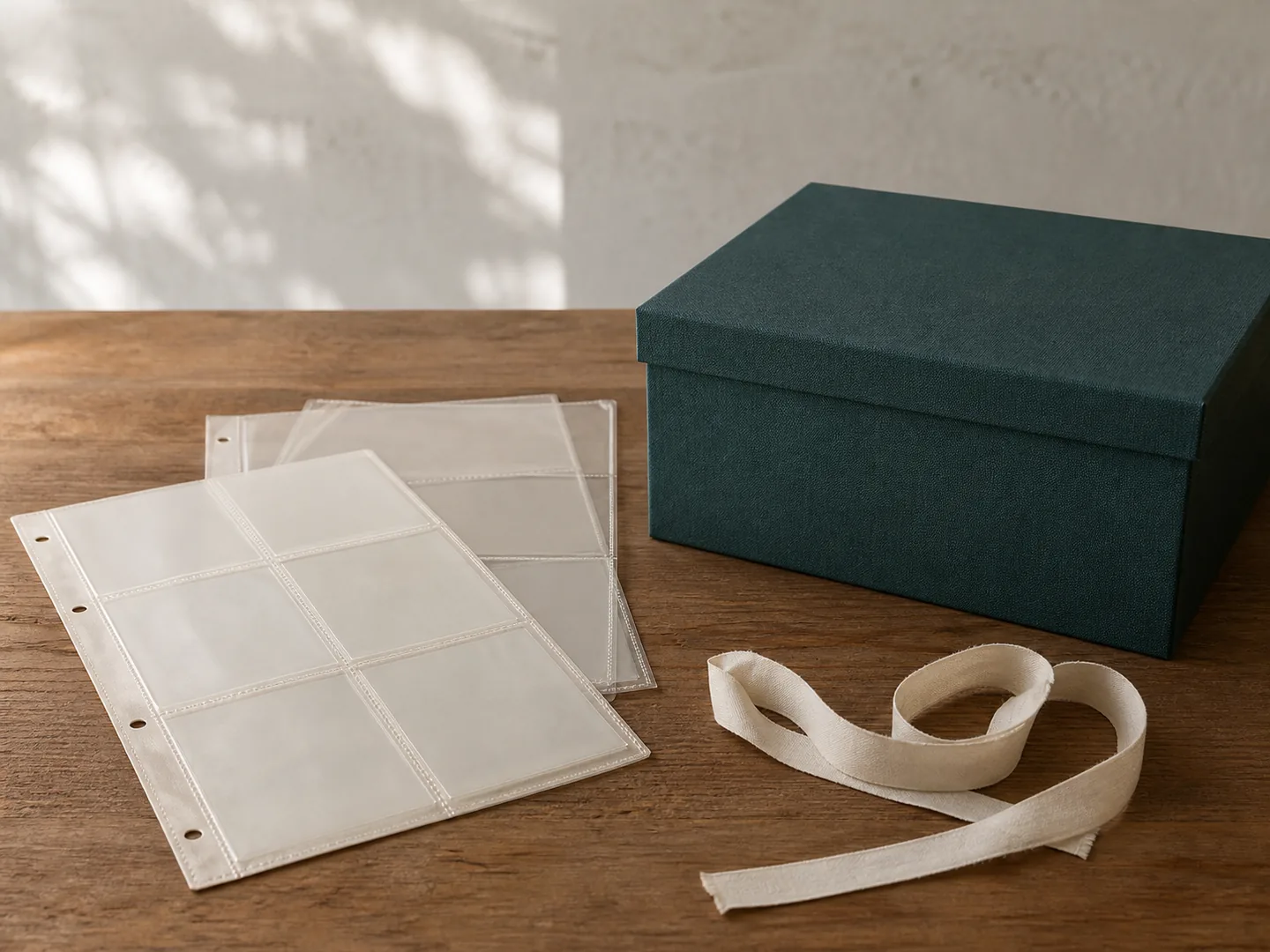
Working checklist
Both photographs on this page are unique object-based AI illustrations. They do not depict real people, traditions or places.
FAQ
Tell us how you could contribute. Material is published only after rights, sources and consent have been reviewed.